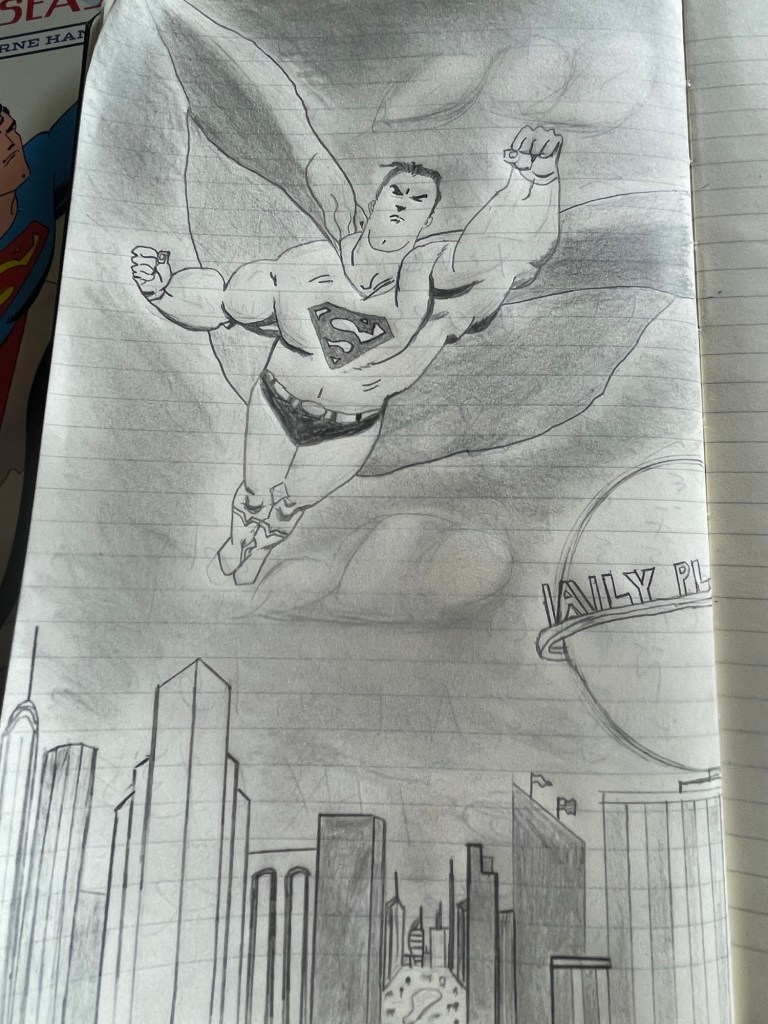
It often feels as though one must be taught to appreciate pop culture. There are endless encyclopedias diving into the most minute details of characters and their worlds. A machine of content is fueled by both passionate people and corporations who must sustain an intellectual property that has been driving their growth for generations. As the writer Glen Weldon wrote in his book “The Caped Crusade,” nerds thrive when they can get lost in a deep lake. They don’t need to worry about what others think of them, and they can explore the lake endlessly. Normals just want to take laps in a pool, get out, dry off, and get on with their lives.
This complexity has long driven the character of Superman. A man from Kansas who was sent by his parents from the planet Krypton, who’s weakness is a radiation from a crystal that came from his home planet, and who keeps the capital of his planet in a jar in a fortress in the North Pole. Superman has had several lovers, he has been cloned, he has had children, he has died and come back to life. His “S” is an ancient Kryptonian crest that means hope, and it stands for “Superman.” This complexity is at the core of comic books. The people who are willing to pay to keep reading must be engaged. Every week they need new twists and turns. They need new adventures. But the complexity also stands in contrast to the simplicity of the character.
Superman is strong. Superman can fly. Superman finds the truth. Superman is good. These simple facts have stuck in the collective conscious of our culture. They are things that are so simple, that they are contradicted within the story. Kryptonite makes Superman weak. Superman’s parents work the land. Superman must lie about his identity. Superman’s enemies are smart. People don’t believe Superman is good. The simplicity of the character moves him beyond the text of the comic books. The contrast elevates him into the mythological.
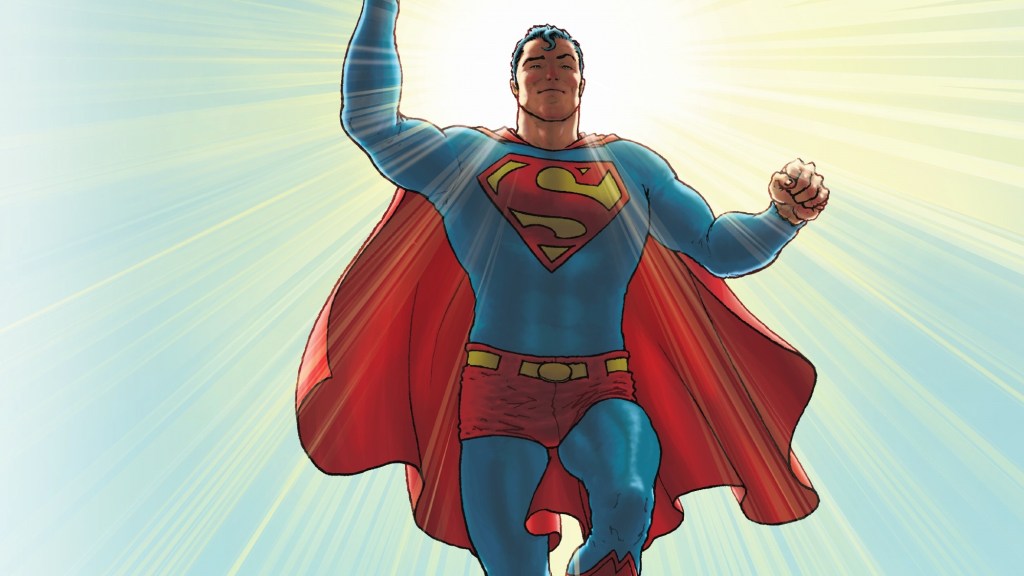
But because he is so simple, it becomes difficult to translate him out of the collective conscious and onto a page. While nerds want to dive deep, and read every single adventure Superman has, general audiences, the normals, want a good story. Something they can watch in a couple hours, be satisfied, and go about their day.
I think like many people my age, I liked the idea of Superman as a kid. He was strong. He could fly. But I never got into the character. In part because I didn’t know how to get into comic books, in part because we moved constantly and I couldn’t keep up with whatever animated shows were airing on Cartoon Network. I became interested in Batman and Iron Man, because I got digestible stories about flawed people. The world wanted “real” heroes. Heroes who had demons. Heroes who changed drastically from the beginning of their origin to the end. Superman the idea faded into childhood. I tried to put away childish things.
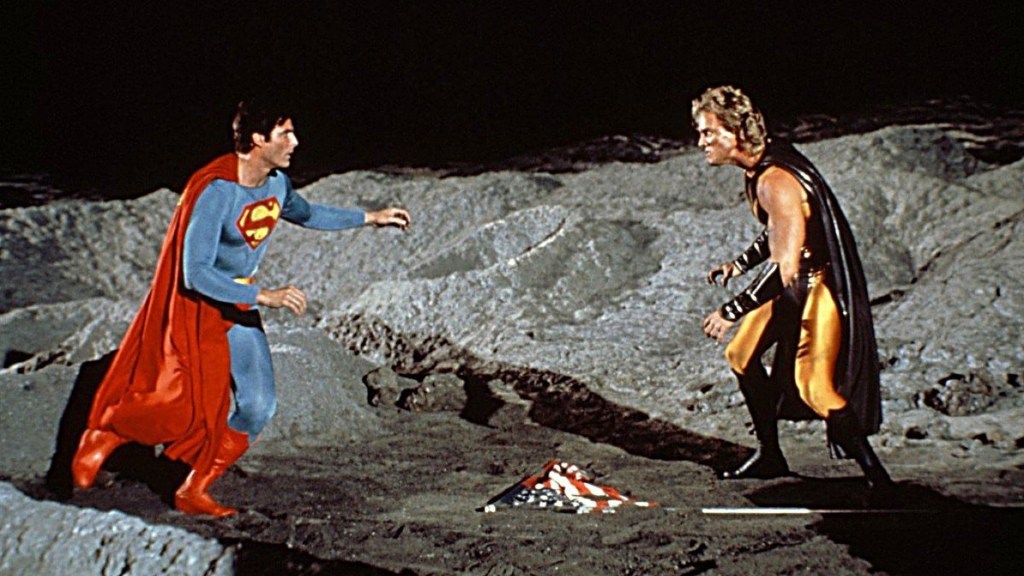
But my mom bought us a DVD set of the four Christopher Reeve movies. Reeve stood out because he was able to represent the simplicity of Clark Kent’s goodness, and inject nuance into the portrayal. It wasn’t pure goodness, there was struggle. The struggle generated friction in Clark’s psyche, and that friction generated heat that came off the screen.
But as I watched the rest of the Reeve movies, the simplicity stayed, and the complexities faded away. They strayed away from much of the source material, and began to make Superman the idea derivative of the original 1978 movie. Reeve and Donner’s interpretation was so powerful that their version overwhelmed the collective conscious of the character. The beloved details of the character further faded to the watchful caretaking of the nerds.
In high school, Batman movies were all the rage. Iron Man had transformed Hollywood. The world had become cynical. People often claimed that Superman was a dork. A Boy Scout. He had no struggle so he was uninteresting. Batman and Iron Man didn’t have powers. They were more relatable. In order to make Superman relevant, the creatives at warner brothers made Man of Steel, a movie that in retrospect, tried to subvert the idea of Superman.
Superman is strong? What are the sci-fi explanations for why he’s strong. Superman can fly? How would that look on camera? Superman finds the truth? What if he doubts the truth? Superman is good? Can anyone that powerful be good?
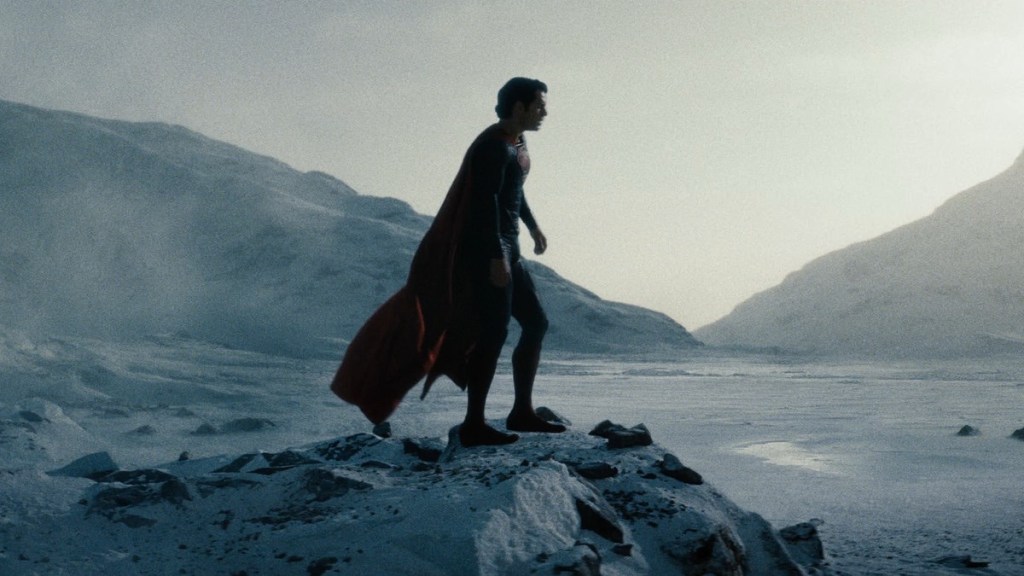
For the normals, (specifically teenage boys who didn’t have time to read comic books) this was an interesting take on the character. It brought Superman to the interesting depths of Batman. Superman is gritty. Why would we trust an authority like that anyway? Maybe Superman should kill if it’s for the greater good.
But in so doing, Man of Steel got rid of many of the details that made the character interesting to the passionate nerds. There were reasons why Superman became a journalist. There were reasons why Jonathan Kent told Clark to do the right thing. There were reasons why Superman floated instead of making sonic booms.
Ironically, the difficulties of balancing Superman the idea with Superman the character had kept general audiences from remembering the heart of the character. Normals don’t want to go to a deep lake. They want to swim in a pool. But if a character is as complex as Superman, it’s incredibly difficult to contain him to a mere swimming pool.
General audiences got cynical. And they started buying the skeptical interpretations of Superman. He’s too powerful. He’s uncool. No one can really be that good.
In the depths of the lake, nerds know that these are the arguments of Lex Luthor.
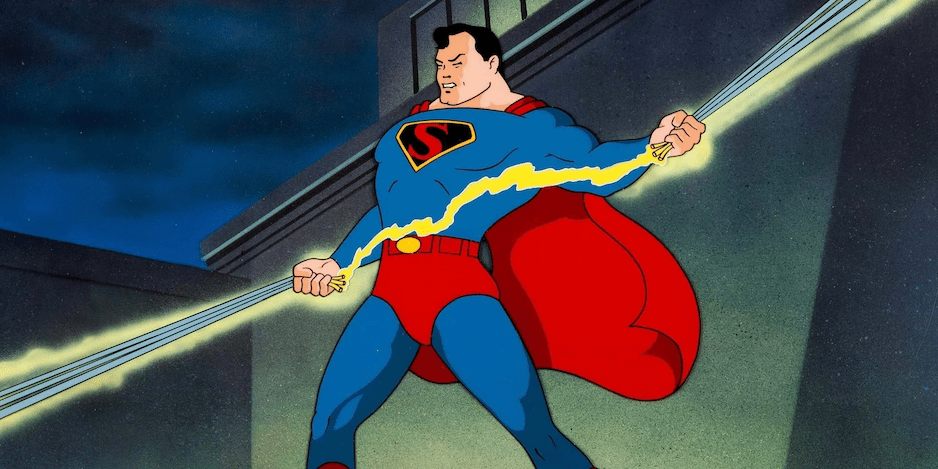
On Superman’s 80th anniversary, I got a compilation of Superman comics at South by Southwest. In the very first issue, he saves an innocent man from the death penalty, he confronts an abuser, he stops a speeding car with his bare hands to save Lois Lane.
In following issues, he confronts a corrupt senator, stops an unjust war, fights street gangs, and arrests Adolf Hitler and Joseph Stalin. He is “the champion of the oppressed, the physical marvel who has sworn to devote his existence to helping those in need.”
Superman is strong. Superman can fly. Superman finds the truth. Superman is good.
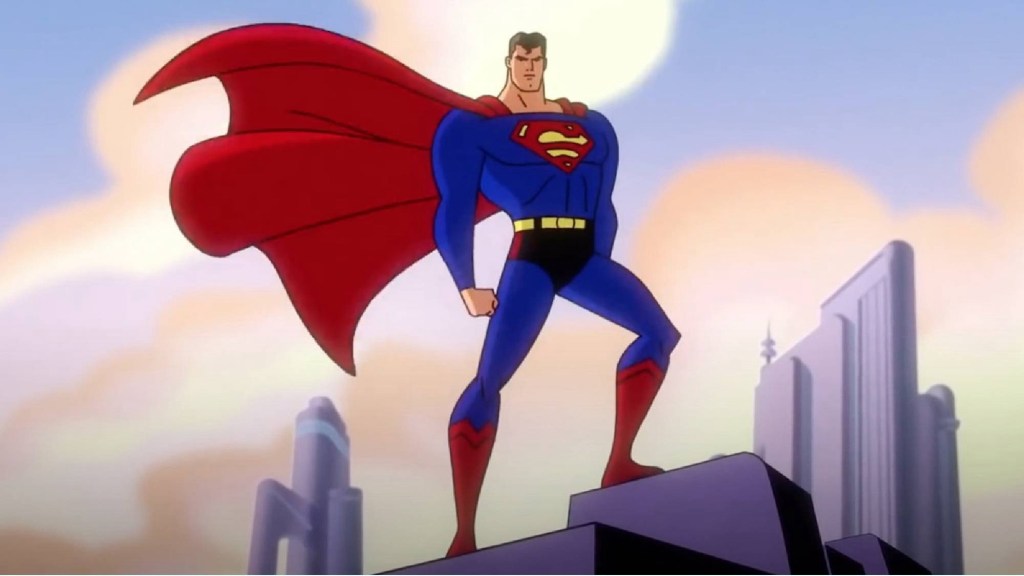
When James Gunn announced that he was writing and directing a Superman movie, he recommended a bunch of comic books. I bought Superman: All Star and Superman for All Seasons. I’ve slowly but surely gone back to the roots of the character. Superman is a good person who wants to do the right thing. He is super because his desire to do good is so pure, and because his unique powers give him the ability to do so.
As I read these children’s stories, and read the nuances that adults have put onto them, I’ve learned that I want to be like Superman. I want to do the right thing. I want to use my abilities to help people. I want to soar. And as I get older, I realize that there is a cynicism that stands in opposition to Superman. No one should be that powerful. You shouldn’t trust people who are that sincere. No one can be that good.
I don’t think that any one person can solve our problems. And I don’t think that we should blind ourselves to the complexities of the world. But I think we should take a lesson from those Kansas values. The values that Clark learned here on Earth. That right is right, and if you’re able to see the truth clearly, you have the responsibility to do the right thing.
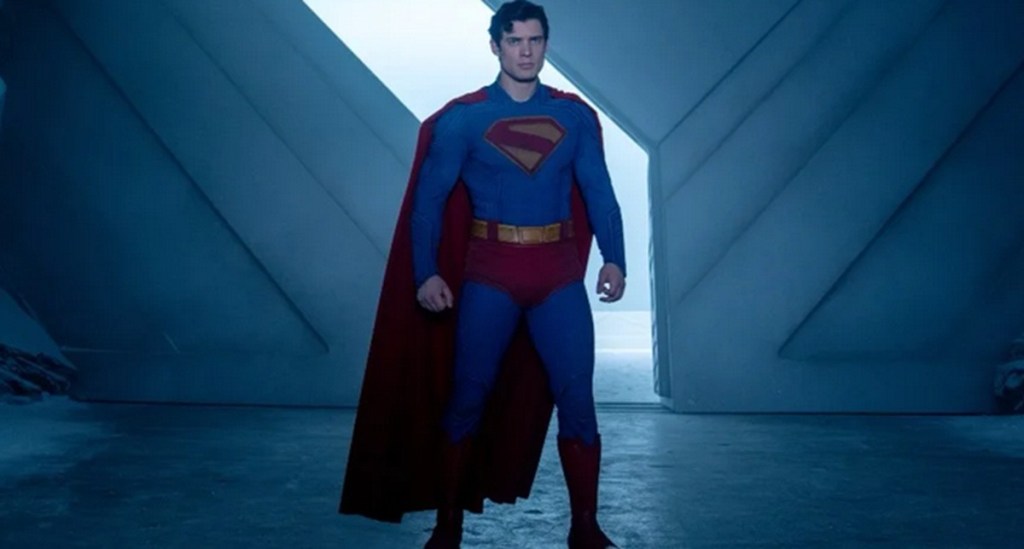
I think that’s what’s brilliant about Gunn’s new movie. That he was able to see the cynicism in the world, and instead of bending to it, adapting Clark to that darkness, he made Superman stand in opposition to it. The citizens of Metropolis are struggling in part because they don’t trust someone without an ulterior motive. They don’t trust Superman to not stab them in the back. That’s something that Lex Luthor exploits. Clark’s burden is that he needs to prove himself trustworthy in an untrustworthy world.
That right there is a story. That right there is an adventure. It’s true to the 87 year history of the character, and it’s true to the movie, the story that Gunn is telling in a two hour runtime. That’s something that can capture the character and the idea all at once. Something that can provide friction, and that can get children to look up in hope. They can be that good. They can fly.
It’s a difficult feat. But I think it’s something nerds and normals alike will appreciate.
 TheFlickReview