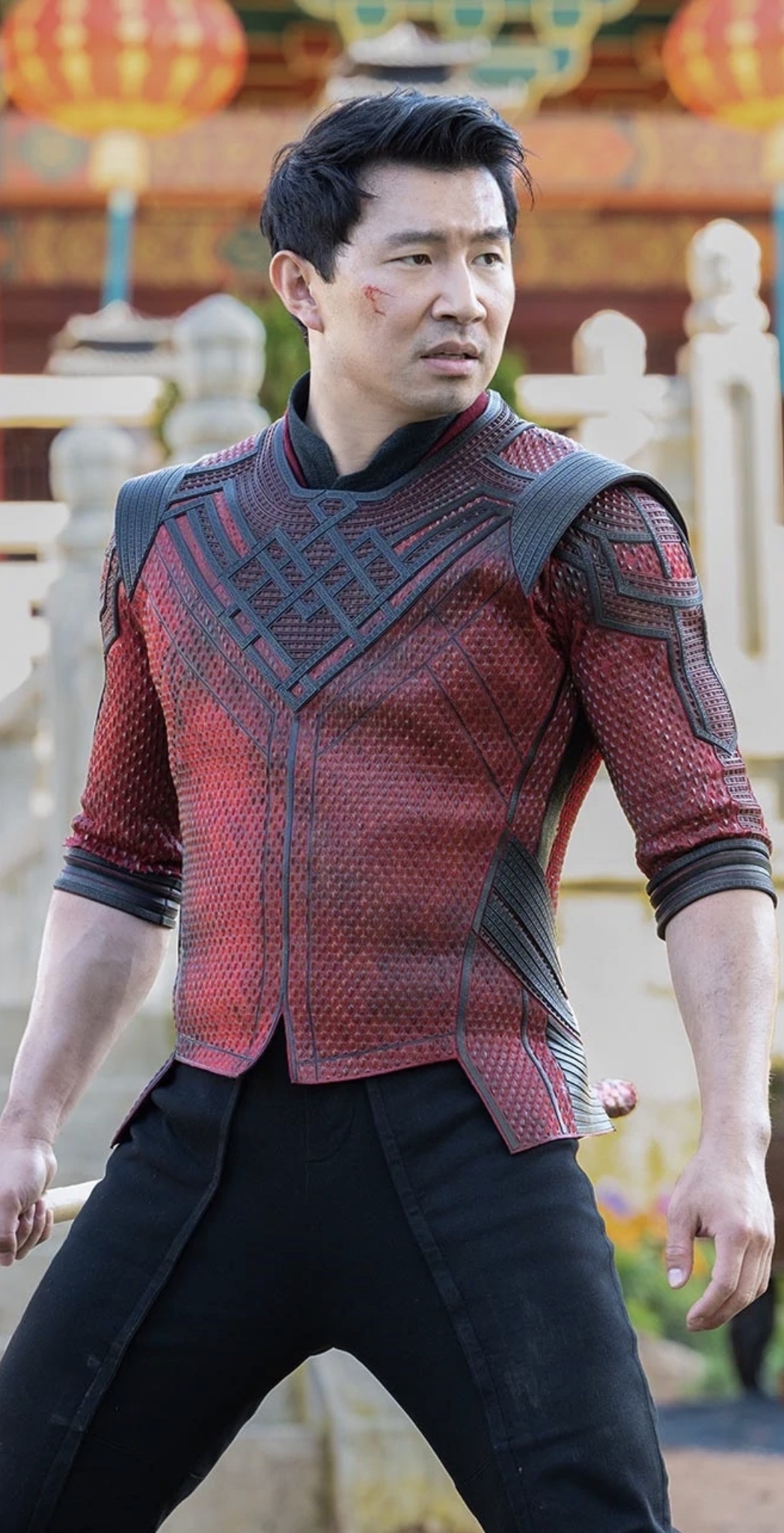
I just saw Shang-Chi. There’s a lot to like about it. There’s Kung Fu, there’s attractive, charming, funny actors in it, and it’s what you expect from a Marvel movie. However I think I understand (again) why Marvel movies just make me tired in our post endgame world. I’m going to be quick, but I’m going to explain a term I’ve use before in these posts: indication vs integration. Big thematic spoilers for some old movies, and light thematic spoilers for Shang-Chi below.
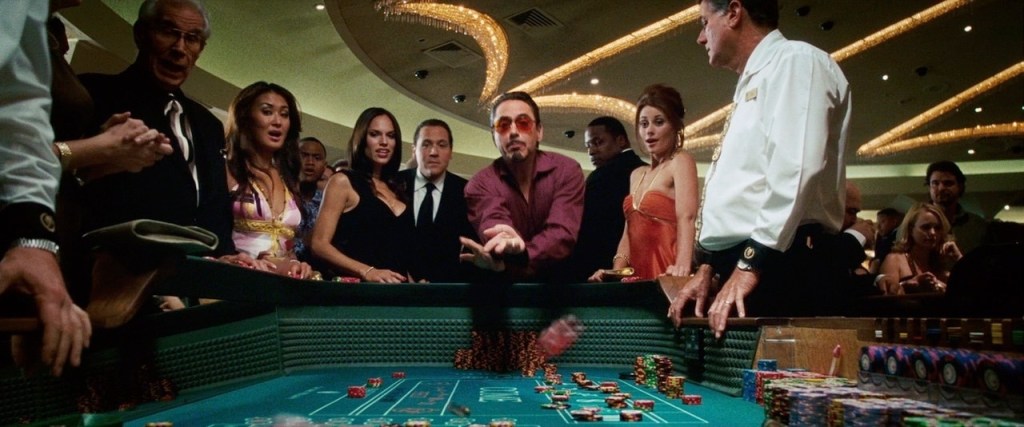
Marvel movies have gone through many phases over the years. And I’m not talking merely about the “phases” that they release at investor meetings anymore. I bring this up to differentiate the “Phase One” movies from what we’ve gotten in recent years. The Phase One movies were largely origin stories, setting up the characters for audiences and giving them origin arcs so they’ll appear in later Avengers movies. A lot of these movies have strong visual choices, and narrative arcs that set the character’s journey’s for the one movie. Tony Stark had a moral flaw, he was an arms dealer, and he had to break out of Afghanistan in order to change as a person. Most of the conflict in the film derived from his flaw, and in order to overcome Jeff Bridges’ plot, Tony had to change as a person. The aesthetic choices, conflict and narrative arc were all connected to move Tony to become Iron Man.
Similarly, Captain America, had to learn the lesson that it’s not the outside that makes you special, but the inside. When you get power, your traits are amplified, good or ill. So we need to strive to be good as people. Captain America had less of an internal character change and is more of a Paddington Bear figure in The First Avenger, acting as a symbol for people to strive towards, but again, the aesthetic choices, conflict and narrative arc are all connected to make Steve Rodgers become Captain America.

In both movies, these themes are integrated to service the movie’s central themes.
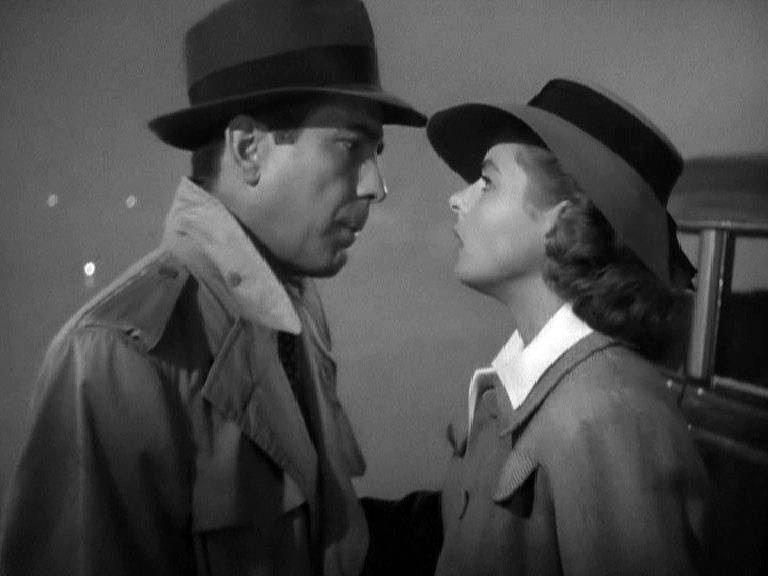
The best movies do this. Their plots are tightly woven around a central idea, and the cinematic language is used to convey these ideas visually and sonically. Casablanca for instance, has Rick learn to care for a cause above his own self interest. He lets Ilsa go with her husband Laszlo to inspire the resistance to the Nazis instead of selfishly running away with her.
The classic screenwriting phrase to say that a film isn’t doing this is “show don’t tell.” Where you’re supposed to show the audience themes, motivations and characterization through action rather than doing so through exposition. However I think this advice is sometimes confusing, though true. The advice isn’t limited to exposition and action, but in a script’s structure, a choice in shot, and acting. Which is why I’ve learned to use the term “indication.”
In acting class, they say not to act angry or sad. That’s how you play to the surface level emotions of a scene. Instead, you’re supposed to get into the motivations of a character, their background and what led them to the moment the actor is performing. This is why method acting is so popular, you’re tapping into your actual memories of your emotions instead of trying to replicate what you think it should feel like.
It’s hard to pin down, but we all know when a movie is indicating what you’re supposed to feel instead of getting into the meat of what they’re trying to do. In Batman V Superman, Batman and Superman are fighting. They have set up philosophical stakes about power, they are at an impasse because of a misunderstanding, and the writers have written themselves into a corner. Batman and Superman are supposed to be friends by the end of the movie, but they’re set up to be so philosophically opposed that it would take an entire new movie for them to figure it out. Which is why the writers went with “save Martha.”
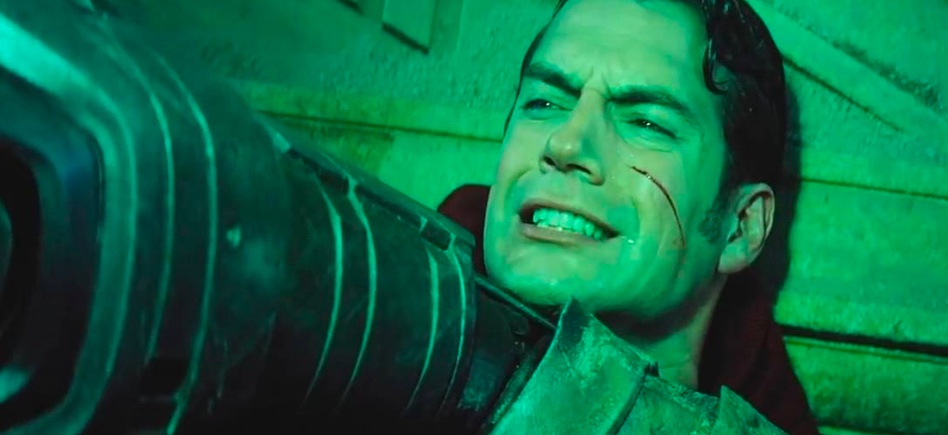
This wasn’t set up well in the film. It doesn’t have anything to do with the titular character’s philosophical conflict. It’s a way to indicate depth and meaning, (both these characters love their moms right?) without digging into it for the rest of the movie. It’s a shortcut.
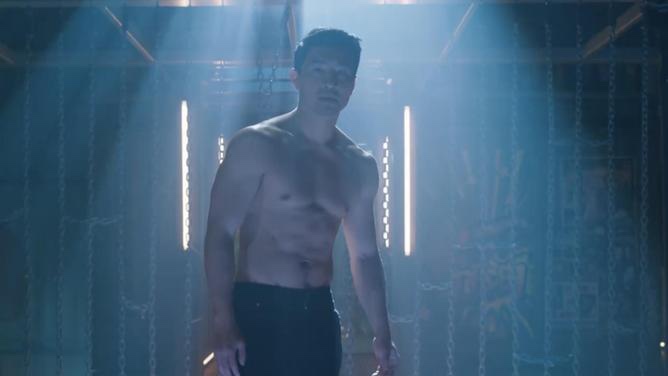
All of this brings me back to Shang-Chi. I thought parts of this movie were great. But they’re trying to set up so much with their world and characters, while trying to make the character’s likable, that they don’t really give Shang-Chi much of an arc, let along fully integrate it with the rest of the movie’s conflict. They could’ve done that, they could have had a character arc for Shang-Chi where he thinks that standing up for family is bad, then he learns that it’s good by the end, but they don’t really do that. They have several scenes where they want you to think that’s what the movie’s about, to indicate thematic depth, but they don’t integrate it into the plots, the performances, the shot choices, or much else.
This is a natural outcome of studio filmmaking these days. The productions are complicated, so they don’t want to give new directors like Destin Daniel Cretton too much creative control. That’s too big a risk. It’s safer to let these directors who’ve done smaller projects handle some of the smaller dialogue scenes, and have ILM take over the big visual spectacle.
It’s a model that works. It’s safe, and people seem to love it. I’ve just seen the process repeat itself over and over through the years. So none of the new movies feel exciting to me after Engdame. It is what it is. Marvel isn’t for me anymore. I just hope that we see more movies that try and integrate thematic, cinematic and emotional depth into their making, instead of just indicating towards that depth and hoping we don’t notice the difference.
 TheFlickReview