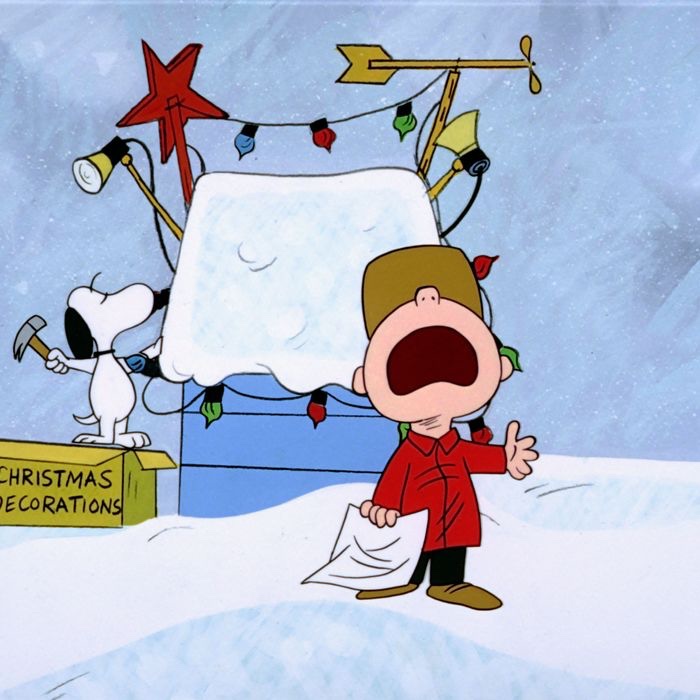
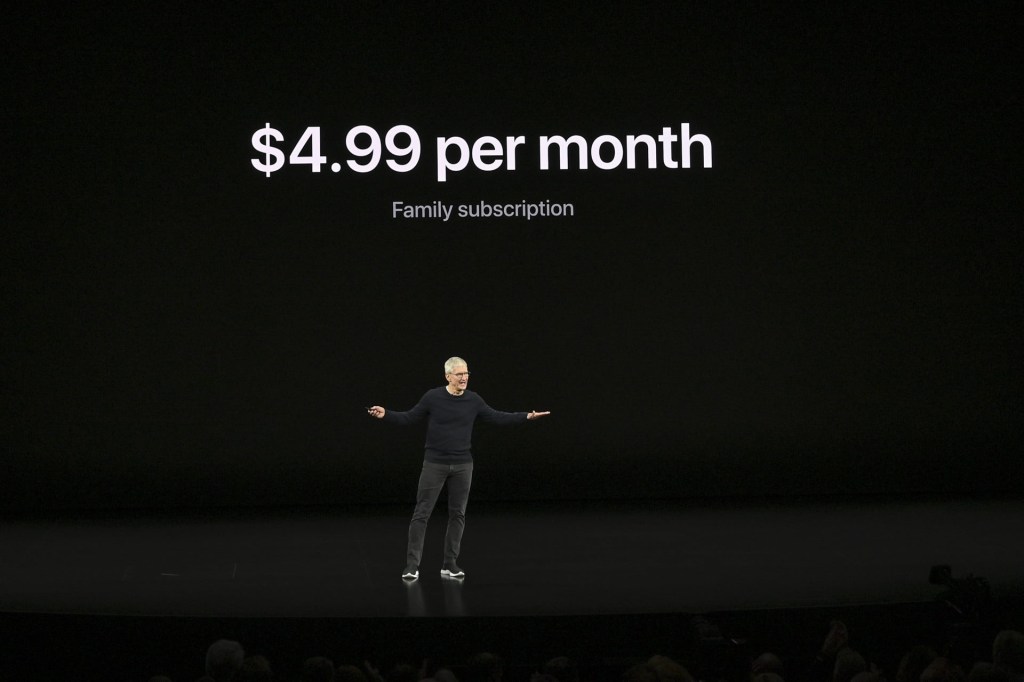
Apple bought the rights to distribute Peanuts cartoons in 2018. The plan was to create several series of new shorts in the coming years (including Mother’s Day, Earth Day, New Years Eve and others), as well as stream them exclusively on Apple’s streaming service, Apple TV+. They managed to stream It’s the Great Pumpkin Charlie Brown on apple devices exclusively, ending the special’s 54 year run on broadcast TV. After backlash from fans of the specials, Apple worked out a deal with PBS to broadcast the special A Charlie Brown Christmas on air, and stream on the PBS Kids website on December 13th. People who subscribe to Apple TV+ for $4.99 a month, or those who buy Apple devices, (I know, it’s really confusing. I don’t know how I have the service) will still be able watch the special whenever they want.
I think this is a microcosm of the ways the film industry is evolving, and how these business decisions threaten to impact our shared culture. The stories we all share no matter out political beliefs or our geographic locations. What Apple tried to do shows the power of the trends in the industry, and the backlash and Apple’s backtracking shows the power that shared culture still retains.
Back in the 1950’s, there were only three Television stations, and newspapers where everywhere. Big cities and small towns alike had newspapers printed daily or weekly, and millions of people would listen to the nightly news on either ABC, NBC, or CBS. It’s in this environment where Peanuts thrived. Charles M. Schulz began writing his Peanuts characters in October of 1950, and they were sent out to seven newspapers. This structure was called syndication, where one entity would own what was produced, and would sell it to various other newspapers to use. That’s how the Peanuts eventually spread across America, to newspapers that adults would read, and often give to their children to read on the side.
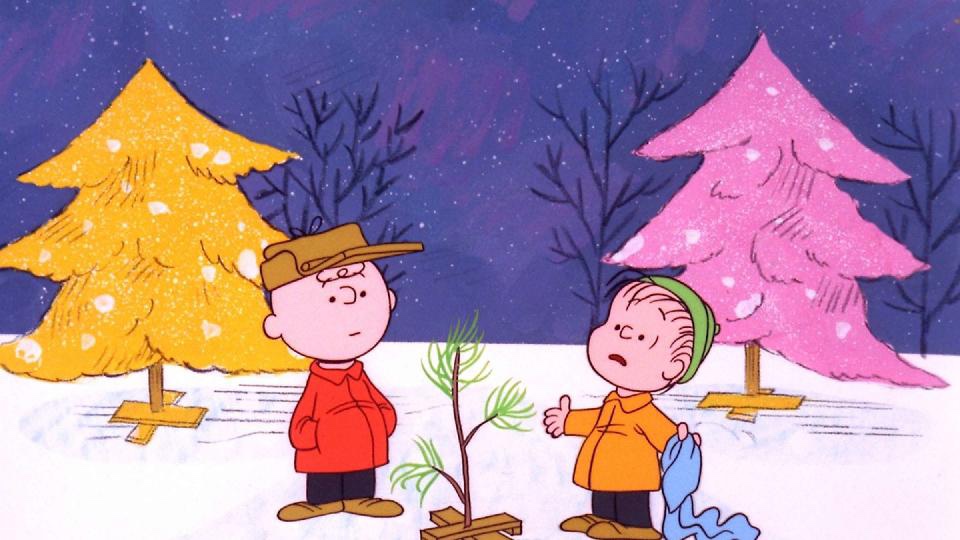
In 1965, the same thing happened with A Charlie Brown Christmas. We all read the same comic strip, and watched the same special. We all learned about the dangers of Ego and commercialism, and the values on prudence and Jesus Christ. A Charlie Brown Christmas had such a large impact on American culture, that the thriving aluminum Christmas Tree industry soon collapsed. Americans saw the value in Charlie Brown’s puny tree, and changed their values accordingly. When a story is powerful, and we all have the ability to partake in its telling, it can change culture.
In 2011, Ted Sarandos, the Chief content officer for Netflix, bought the rights to House of Cards for $100,000,000 dollars. Before then they were a dvd delivery service, and a streaming service for other studios and network’s shows. It was a risky bet, but Netflix convinced the creators of the show to go for them instead of premier Cable networks like HBO and AMC for a guarantee of two complete seasons, and a giant paycheck. Netflix was able to risk that because in return, they’d get exclusivity. You had to go to Netflix to watch House of Cards. This was the beginning of a major shift in the way Hollywood would distribute content. Eventually, Netflix would become the giant it is today, and rivals would scramble to catch up.
Disney would try and pull people in with their extensive catalogue of animated classics, and their acquisition of major brands such as Marvel Studios and Lucasfilm. NBC-Comcast-Universal would try to lure people in with free streaming. HBOMax would try and get people in with their prestige cable programing, their century’s worth of films in their back catalogue, and now, exclusive streaming rights to their 2021 theatrical slate on the same day those films were supposed to go to theaters.
This left Apple, who has a vast, integrated network of beloved hardware and software to try and make their own mark. They’ve tried to work with talent, including Oprah, Loren Bouchard and Nora Smith, Steven Spielberg, Sophia Coppola, and soon, Martin Scorsese. They’ve tried to leverage their trillion dollar surplus to give people the cheap subscription price of $4.99 a month. They’ve tried to produce original, high concept content that isn’t based on any previous intellectual property. None of that has worked so far. But like everyone else, they’ve also tried to be the exclusive distributor of beloved stories, characters, and iconography.
I haven’t seen any of the new Peanuts show’s Apple is producing yet. I’m sure there’s lots of talented people trying to bring Schulz’s characters to life in a faithful and creative way. I don’t think there’s anything inherently wrong with a company producing new content exclusively on their own platform. (At least for a while.) What I, and many others find troubling is how in the search for a wider subscription base, Apple and other companies are trying to make characters that our entire society has grown up with exclusive. Apple products are expensive, and the way that they’re distributing Apple TV+ to other platforms is confusing. All of this means that there’s a risk that one day, Peanuts won’t be airing on every TV, printed in every newspaper for us to enjoy and learn from together.
The Newspaper has been slowly collapsing for years. National juggernauts like the New York Times and the Washington Post are doing just fine, but local, small town papers have been shutting down for years. This is in large part because of the rise of the internet, where at first we went to the websites we trusted for news, and now social media algorithms curate our feeds to give us information that will prompt us to engage with their site the most. This phenomena is called CyberBalkinization, and it means that we read things that are to our own taste more and more, and watch things together less and less. My feed is different from yours, and the shows I watch are different than yours, in part, because we pay for different streaming services.
In some ways, this cultural shift has lead to lots more stories being told, and new voices telling their stories who haven’t been heard before. All those things are good, but there’s something lost when we can’t all reference the same story.
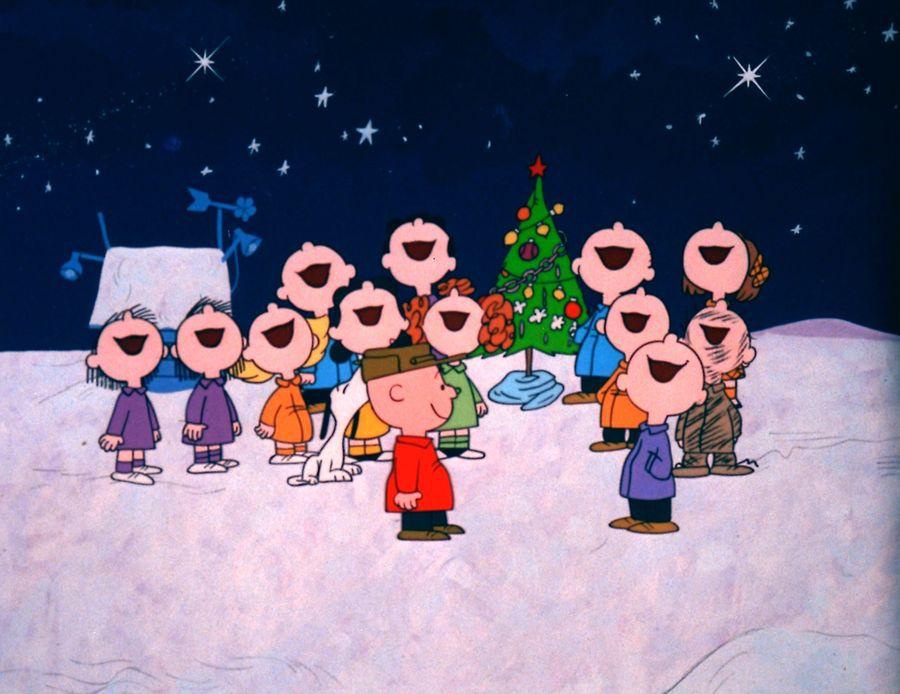
I’m glad that Apple made a deal with PBS to broadcast A Charlie Brown Christmas, at least for one night. And I’m very glad that the special is still available to purchase on DVD and Blu Ray. While the nature of profit in the entertainment and news industry is changing, and we have to deal with those realities instead of wishing we can return to a bygone era, I hope we can still put value onto stories we watch together.
There’s a power in shared culture, it teaches us, it makes us laugh and cry, and it changes the way we speak and think. Together. Not in our individual bubbles. Let’s try and keep it going.
 TheFlickReview